
Why I Keep Coming Back to Card-Based NFC Wallets (and Why Tangem Sticks Out)
Okay, so check this out—I’ve carried a Tangem card in my wallet for the past year. Wow! It feels weirdly normal to say that. My first impression was: this is shockingly simple. At first I thought hardware wallets had to be bulky or complicated, but this tiny card changed that notion fast.
Really? I know, right. The convenience is obvious. You tap your phone to a card and approve a transaction. On the one hand, it’s brilliant for everyday use; on the other hand, you have to accept different trade-offs than a cold storage device tucked in a safe. Initially I worried about losing the card, though actually Tangem’s approach to single-use secure elements and recovery options eased that worry a bit.
Here’s the thing. I’m biased, I admit it. I like things that work with as few steps as possible. My instinct said “no seed phrase?” and that felt luxuriously modern. But wait—before you assume it’s magic, there are real details beneath the surface. The card stores private keys inside a secure element, never exposing them to the phone, which is the core security model.
Hmm… this part bugs me. The UX trade-offs are subtle. On phones, the Tap-to-sign flow is smooth and fast; on some Android models it can be finicky, depending on NFC antenna placement. I’m not 100% sure why some phones behave better, but in practice you learn the sweet spot for holding your device. Also, the Tangem app gives clear prompts during every step, which matters when you’re sending funds in public.
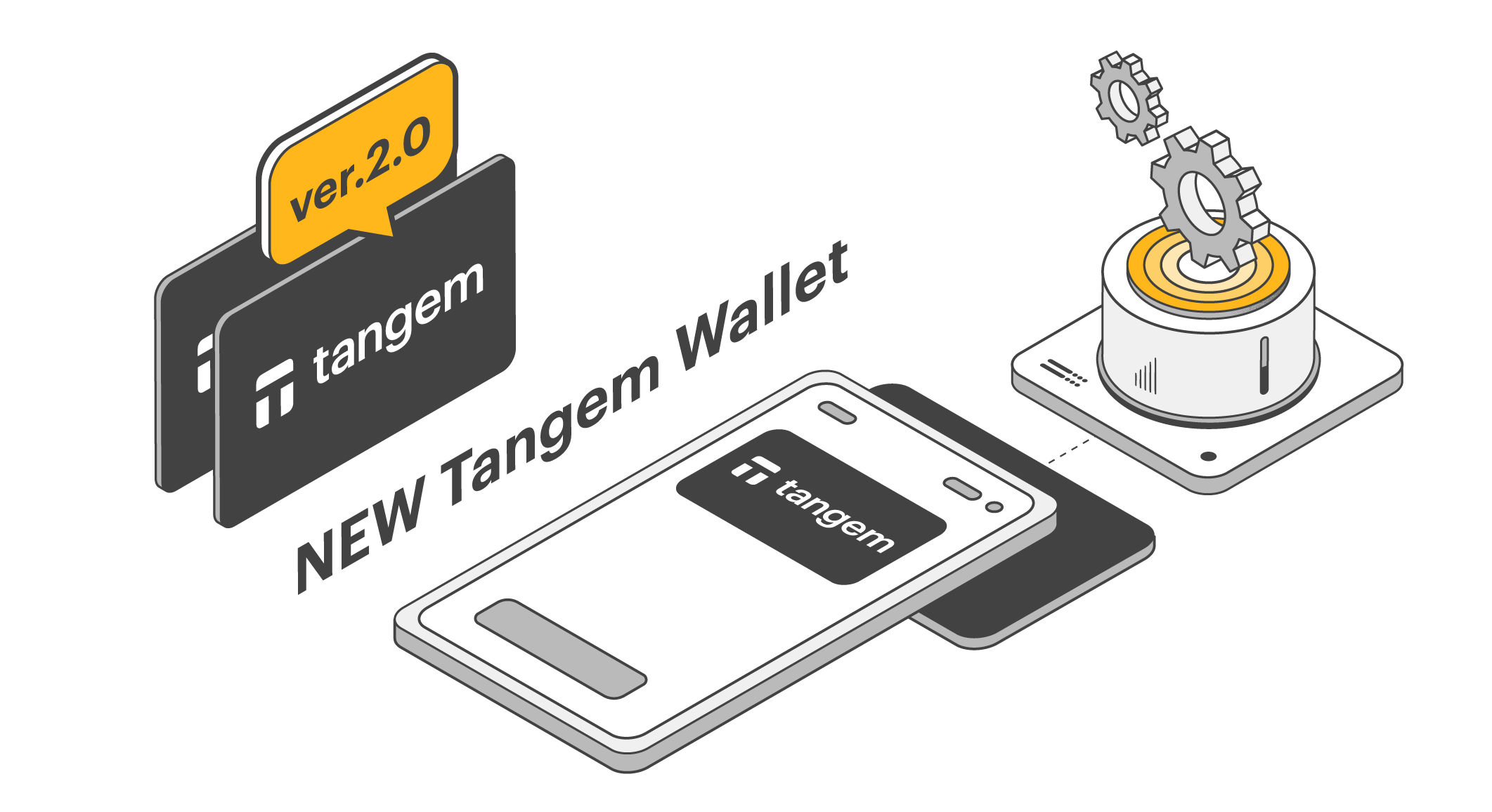
How the tangem wallet fits into a real user’s life
I use the tangem wallet as my daily driver for small crypto spends and as a cool backup for larger holdings. Wow! There’s a particular pleasure to tapping and approving—it’s almost tactile. The app pairs with the card on first use and then acts as a UI, but the keys never leave the chip. On one level, that’s easy to explain. On another, it invites deeper questions about custody and redundancy.
Seriously? People ask me: “What’s the recovery path if I lose the card?” Good question. Tangem’s model supports card cloning (if you provision multiple cards) or recovery via a backup card created when you first set up the wallet. That means you can have two or three cards from the same wallet, kept in separate locations—hotel safe, trusted friend, your home safe—and that redundancy feels familiar to people used to multisig or seed backups.
On one hand, cloning is convenient. On the other hand, cloning means you must keep track of duplicates. I’m curious how comfortable non-technical folks get with that. My experience: after a week of use, the routine clicks into place. You form habits—put the primary card in your everyday carry, let the backup card rest elsewhere. There’s nothing mystical here. It’s just human patterning.
Okay, here’s a practical note. The Tangem card’s secure element is designed to be tamper-evident and resistant to direct extraction of keys. That protects against many hardware attacks that plague naive storage methods. But remember: no device is invulnerable. If an attacker gets physical possession and can coerce you to approve transactions, hardware security can’t help. So the human layer is still central—always has been.
I’ll be honest: the lack of a readable seed phrase can make institutional people nervous. It’s a cultural thing. Finance folks like reproducible, auditable backups. That said, Tangem’s model reframes backups as tangible objects (cards) rather than mnemonic strings you write down. Some folks prefer that. Others worry about physical loss or theft. There’s no one-size-fits-all answer.
My instinct said the app should be extremely minimal. Initially I thought simpler meant less trust. Actually, wait—let me rephrase that: simpler often means less attack surface. Tangem’s app focuses on signing and wallet management without trying to be an exchange or a DeFi gateway, which I appreciate. It keeps responsibilities narrow, and that tends to reduce risk.
Something felt off about the onboarding the first time I used it. The steps were clear but felt different than the seed-phrase rituals I’ve done before. After a few runs I realized the mental model is different: you’re provisioning physical tokens, not scribbling words on paper. That change can be freeing, or it can trip you up if you try to force your old habits onto it.
There’s a weird delight in showing this to friends. They’ll say, “That’s it?” and then they tap and smile. The social proof matters. People like a device that looks as innocuous as a credit card and does heavy-lifting security quietly. Yet some friends ask me about recovery and regulatory concerns, which is fair. The regulatory environment is shifting, and hardware choices may interact with services differently.
On the technical side, Tangem cards support multiple blockchain types, and the app displays assets in a readable way. Long story short: you can manage Bitcoin, Ethereum, and many tokens from the same interface. The card signs transactions locally, returning only the signature to the phone—so you get cold key security with mobile convenience. That combination is why NFC cards are gaining traction among people who want everyday usability without exposing keys.
Oh, and performance wise—transactions sign quickly. No long waits. You get near-instant confirmation to approve. The UX rhythm of “tap, check, approve” becomes second nature. But, yeah, there are exceptions: very complex contract calls sometimes need extra attention in the UI. That’s not unique to Tangem; it’s a general problem for mobile wallets handling smart-contract interactivity.
I keep thinking about edge-cases. What if your card fails physically? Tangem uses tamper-resistant chips, but electronics can fail. That means you should consider multiple cards or an alternative backup approach. I recommend creating at least one backup card during provisioning, and store it separately. It’s basic redundancy, but very very important in practice.
Also—small nit—NFC performance depends on phone case thickness and wallet positioning. So test it at home before relying on it at a coffee shop. This is one of those details that feels petty until it bites you. The fix is simple: learn the right tap alignment and maybe remove the case for a minute if needed. Annoying, but manageable.
Common questions people actually ask
What happens if I lose my Tangem card?
You can recover if you’ve provisioned a backup card or multiple cards at setup; otherwise losing the only physical token without any backup is similar to losing an unrecoverable key. Keep at least one backup in a separate, secure location (safe deposit box, trusted family member). I’m not 100% fond of single-card setups—it’s risky—but many folks still do it.
Is the tangem wallet safe for larger balances?
Yes, the hardware is solid and the secure element model is robust, but for very large sums you might combine Tangem cards with multi-sig or institutional custody. On one hand, a single card is simpler; on the other hand, multi-sig spreads trust and reduces single-point-of-failure risk. Choose based on your threat model and how comfortable you are with physical backups.